
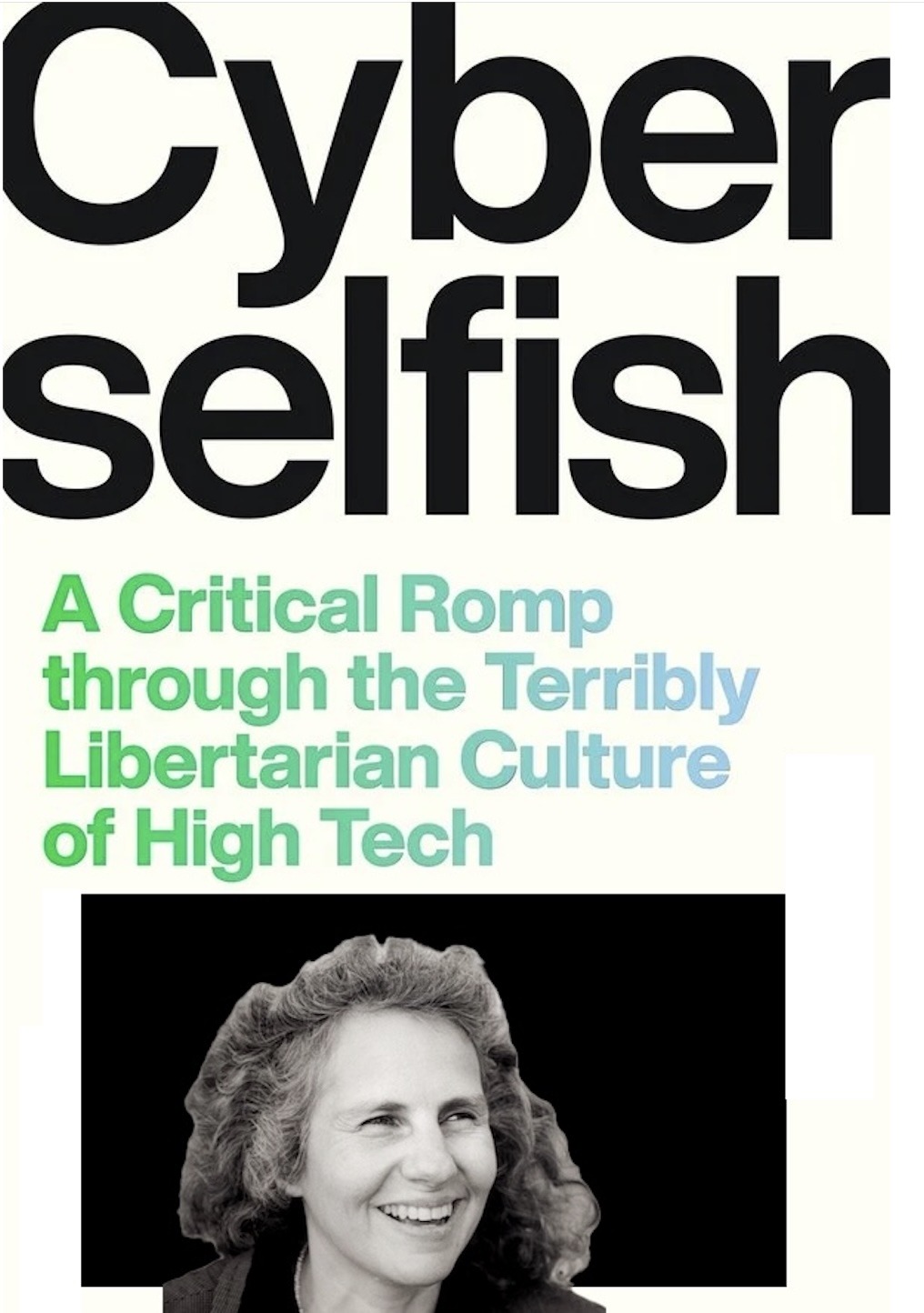
Technology journalist Paulina Borsook returns to Plutopia to discuss the republication of Cyberselfish: A Critical Romp through the Terribly Libertarian Culture of High Tech, her 2000 critique of Silicon Valley’s libertarian culture and its failure to acknowledge dependence on public investment and social cooperation. She reflects on the industry’s shift from collaborative engineering toward financial speculation, the growing power of technology billionaires, and the personal and professional fallout from publishing her criticism. The conversation explores technology journalism, worker power, surveillance, AI hype, and the limits of viewing human intelligence apart from bodies, emotions, and lived experience. While distinguishing executives from ordinary technology workers and acknowledging continuing resistance, Borsook and the hosts consider how the attitudes she documented have intensified—and why preserving the original book offers a useful historical perspective on today’s technology industry.
Podcast: Play in new window | Download
There was plenty, I don’t want to say pushback, but there was plenty of critical thinking about all this stuff. And there was a lot of common cause with “how do we preserve civil liberties in cyberspace, but how do we be decent members of human society, too?” I mean, there were a lot of different ways to approach this, and that all went away. Those people died, retired, those entities are gone. So, the kind of pushback that I would have expected kind of disappeared. And I sort of feel like (let’s use a biological metaphor) these bad ideas sort of got—it’s kind of like Giardia in a watershed. You know, they kind of got out there and then you can’t bring them back. So, these ideas sort of crept along and became more and more widespread, and there wasn’t anybody, in the institutional way for sure, to push back against these ideas.

1 comment
[…] this week: at the Plutopia podcast, we talk to Paulina Borsook, author of the newly rereleased 2000 book […]